Author: CEOVIP

  • The Truth About Your Customers & Where They Are

    The Truth About Your Customers & Where They Are

    Here’s the truth no one tells you: finding your ideal customer is less about them and more about you. It’s a journey of self-discovery, experimentation, and intentional refinement. Every big brand you admire today—the ones swimming in billions—started out uncertain about who their customers truly were. Let me blow your mind for a second: YouTube? It began as a dating site. Samsung? A grocery store. Facebook? Just a little university networking app.

    The idea that you should “niche down” sounds glamorous, doesn’t it? Like there’s a magical secret formula waiting to be uncovered. But the logic is simple: it’s not about being a mind-reader or starting with perfection. It’s about starting somewhere.

    Related Post: 7 Easy Ways to Make Customers Trust You

    The Riches Are in the Niches—But Why?

    When people say “the riches are in the niches,” they’re not suggesting you shrink your business into a corner. They’re telling you to focus your energy on a specific group of people whose problems you can solve most effectively. Imagine trying to throw a dart at a board while blindfolded—it’s tough, right? That’s what happens when you try to appeal to everyone. But when you choose a small segment, take off the blindfold, and aim intentionally, the chances of hitting your target skyrocket.

    And here’s the beauty of it: niching is a test, not a trap. Your first niche isn’t your final one. It’s your testing ground, where you gather feedback, refine your approach, and pivot strategically. Think of it like planting seeds in fertile soil—some will sprout faster than others, and the feedback tells you where to focus next.


    If You’re Just Starting Out, Don’t Worry

    Here’s your permission to breathe: you don’t need to have it all figured out from Day One. Start with the basics, test your ideas on a small group of people, and keep growing. Track everything. Every bit of feedback, every conversion rate, every trend in customer behavior—it’s all data that will guide your progress.

    Your first idea might not hit the jackpot, and that’s okay. What matters is consistent action and a commitment to learning from your audience. The insights you gather will help you refine your offers, messaging, and strategy over time.


    Your Customer’s Journey Is as Dynamic as You Are

    Most entrepreneurs stumble because they try to figure out their customers before they figure out their business. How does that make sense? It’s like baking a cake without knowing the ingredients—you’ll end up with a mess. That’s why the first step is starting small, simple, and specific.

    Your customers aren’t static, and neither are you. They evolve as your business evolves. What they need in their first interaction with you might be worlds apart from what they need six months later. It’s your job to identify where they are in their buying journey and meet them there with solutions, not assumptions.


    If You’ve Already Niched Down

    Now, let me ask you this: how long did it take you to lock in your customer profile? Was it months? Years? Longer? Chances are, you didn’t nail it overnight. It took trial, error, feedback, and growth. So for those still finding their footing, remember this: even the most successful brands you admire today didn’t have everything mapped out at the start.

    Create & Launch Your Digital Product
    Create & Launch Your Digital Product (ebooks, masterclasses, online courses & events) Like A Pro

    Case Study: A Nigerian Twist on Customer Understanding

    Take Nigeria’s thriving fintech industry. Startups like Paystack didn’t begin by trying to solve every payment problem in Africa. They focused on small businesses looking for simple, reliable payment solutions. By zeroing in on this niche, they gathered critical feedback, built trust, and scaled rapidly.

    The Nigerian e-commerce market is another prime example. Platforms like Jumia targeted urban millennials who were early adopters of online shopping. This segment’s feedback helped refine Jumia’s offerings, from delivery logistics to mobile payment options. By starting small, they built the blueprint for dominating larger markets.


    What Does This Mean for You?

    1. Start Where You Are: Forget perfection. Pick the most likely test group and dive in. Whether it’s busy professionals, first-time moms, or tech-savvy millennials, choose a segment you can easily reach and start testing your offers.
    2. Let Feedback Be Your Guide: Your customers will teach you everything you need to know—if you listen. Their pain points, objections, and preferences will direct your next move.
    3. Track Everything: Don’t rely on memory—use data. Track every interaction, every conversion, and every bit of feedback. Patterns will emerge, and those patterns will be your roadmap to refinement.
    4. Speak Their Language: It’s not about what you want to say; it’s about what they need to hear. Understanding your customers’ buying journey is key to creating offers that resonate and convert.

    This Is Why Bossmoney Formula-The Ultimate Launch Blueprint For Your Ebook, Masterclass, Online Course & Virtual Events Exists

    In my book, Bossmoney Formula-The Ultimate Launch Blueprint For Your Ebook, Masterclass, Online Course & Virtual Events, I show you how to master the art of customer language. You’ll learn how to identify where your audience is on their journey and create tailored content and offers that make them feel like you’ve read their minds. You’ll also discover how to filter out time-wasters—people who love watching your free videos but will never buy, or those who want you to do the work instead of learning how to do it themselves.

    This isn’t just another business book; it’s your blueprint for clarity and profit.


    So, are you ready to discover your ideal customer and unlock the next level of your business? Start by meeting them where they are—not where you wish they’d be. With the right strategy and tools, you’ll not only find them—you’ll keep them.

    Let’s go build your empire, one intentional step at a time.

    Bossmoney Formula- The Ultimate Launch Blueprint For Your Ebook, Masterclass, Online Course & Virtual Events.
    Bossmoney Formula- The Ultimate Launch Blueprint For Your Ebook, Masterclass, Online Course & Virtual Events.
  • Craft Your Online Empire: Tools That Make Course Creation Easy and Effective

    Craft Your Online Empire: Tools That Make Course Creation Easy and Effective

    Imagine waking up to notifications of course sales while sipping your morning coffee. It’s not just a dream—it’s the reality for thousands of educators and entrepreneurs who have mastered the art of online course creation. 

    In the dynamic landscape of West Africa, where digital learning is booming and tech-savvy audiences are seeking valuable content, the right set of tools can be your ticket to an impactful and profitable online course.

    The West African Context: A Growing EdTech Landscape

    West Africa’s digital education market is surging. According to Statista, online education revenue in Nigeria alone is projected to hit $12.37 billion by 2025. This uptick stems from increased internet penetration, government support for digital initiatives, and a youthful, education-hungry population. 

    But here’s the twist: for service-based industries—from coaching to consulting— you want to understand the nuances of local culture and choosing the best tools can make all the difference between a course that sells and one that sits stagnant.

    Creating the Perfect Online Course

    Have you ever wondered why certain courses captivate learners from the first click? It’s about creating a deep sense of connection, where you can create images in your customer’s mind and evoke deep emotions. The tools you use to design your course should help harness this power.

    Let’s break down the essential tools that successful course creators swear by, complete with practical stories and West African market insights.

    Here are tools for your online course:

    Related Post: How Smart Businesses Are Winning Big with Automation 

    1. Learning Management Systems (LMS): Teachable and Thinkific

    Why They Stand Out: Both Teachable and Thinkific are perfect for first-time course creators and seasoned experts alike. These platforms offer robust options for video hosting, assessments, and drip content scheduling—critical for building engagement in an audience accustomed to interactive learning.

    Imagine a local business strategist in Lagos, Funke, who pivoted to online coaching using Thinkific. Within six months, she grew her revenue by 31% by crafting leadership courses that resonated with young professionals seeking to boost their career paths.

    According to DataReportal, the number of internet users in Ghana increased by 9.1% between 2023 and 2024, driving a significant market for digital courses.

    2. Content Creation Tools: Canva and Camtasia

    Visual Matters: In a region where visual storytelling holds powerful sway, tools like Canva offer course creators a user-friendly way to design beautiful slide decks, infographics, and promotional assets that speak the visual language of West African learners.

    Why You Need It: Canva’s drag-and-drop interface simplifies content creation, while Camtasia helps polish video lessons with seamless editing, making it easier to deliver polished video content that captures attention.

    Practical Insight: Emmanuel, a customer service coach in Accra, leveraged Canva and Camtasia to launch a course on client communication. His course’s interactive design and sleek video lessons led to a 200% increase in engagement, proving that visually appealing content translates to higher retention rates.

    3. Interactive Elements: Typeform and Mentimeter

    Engagement Wins: Typeform allows you to integrate quizzes and feedback forms that create a two-way dialogue with your audience, building deeper connections through interaction.

    During the height of digital learning demand, a personal finance coach in Abuja used Mentimeter to create live polls and interactive Q&A sessions that mirrored an in-person classroom experience. Her students reported a 30% boost in understanding complex topics.

    Create & Launch Your Digital Product (ebooks, masterclasses, online courses & events) Like A Pro
    Create & Launch Your Digital Product (ebooks, masterclasses, online courses & events) Like A Pro

    4. Email Automation: Mailchimp and ConvertKit 

    Stay Top-of-Mind: With ConvertKit, course creators can set up automated email sequences tailored to each student’s progress. This personalization keeps learners engaged and leads them to complete the course—a strategy especially effective in building trust among clients who value relationship-based learning.

    An online culinary course targeted at food entrepreneurs in Lagos can use  ConvertKit’s tagging system to send personalized tips, increasing course completion rates and glowing reviews.

    5. Course Delivery and Community: Kajabi

    The All-in-One Hero: Kajabi is a go-to for those who want a comprehensive solution. From hosting content to managing communities, it’s perfect for fostering an ecosystem where your students feel connected and supported—something essential in a market where community learning is cherished.

    Case Success: A productivity coach based in Nigeria reported that Kajabi’s built-in community feature kept learners engaged post-course, leading to a word-of-mouth spike in new enrollments and increased revenue streams.

    Bossmoney Formula: The Ultimate Launch Blueprint For Your Ebook, Masterclass, Online Course & Virtual Events
    Bossmoney Formula: The Ultimate Launch Blueprint For Your Ebook, Masterclass, Online Course & Virtual Events

    Final Thoughts: Crafting Your Success Story

    When you understand what speaks to your audience and aligns with your teaching style, you’ll find it easier to choose the right tool. The stories of success shared here are not just anecdotes—they are blueprints for shaping your approach.

    Now, take a moment to think: which tool will help you transform your knowledge into a scalable online course that resonates, sells, and makes an impact? The digital doors of opportunity in West Africa are wide open. With the right toolkit, you’re only a few clicks away from your next big win.


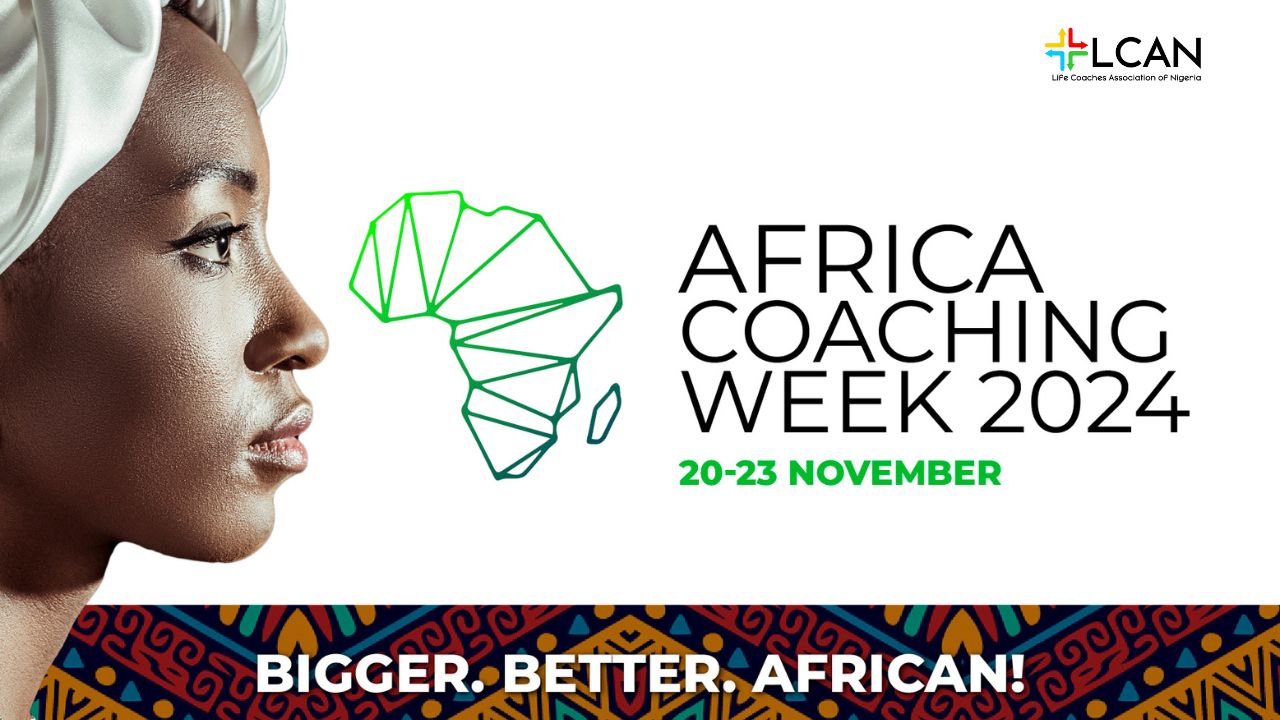
  • Africa Coaching Week 2024: The Power of African Wisdom for Global Change

    Africa Coaching Week 2024: The Power of African Wisdom for Global Change

    Africa Coaching Week (ACW) is back, and this year’s event is set to be the biggest yet! From November 20th to 23rd, 2024, Africa’s brightest minds, innovative leaders, and passionate coaches will gather to celebrate the transformative power of coaching rooted in African wisdom.

    This 6th edition of ACW, hosted by the Life Coaches Association of Nigeria (LCAN), is themed “The AfroCoaching Revolution: Tapping into African Wisdom for Global Change.”

    Africa Coaching Week isn’t just another conference – it’s a movement. This event is dedicated to shining a spotlight on Africa’s vast and unique heritage, merging ancient wisdom with modern coaching techniques to drive progress and inspire change globally. Organized by Africans, for Africa and beyond, ACW stands as a powerful testament to our continent’s potential, with each session designed to challenge, inspire, and empower.

    The ACW 2024 Experience: An Unmissable Lineup of Events

    This year’s ACW offers a unique experience tailored for both newcomers and seasoned professionals in the coaching field. The event is packed with impactful sessions that promise to educate, inspire, and connect attendees with some of Africa’s top coaching and business leaders. Here’s a sneak peek at what’s in store:

    • Flagship Conference: Keynote speeches and fireside chats featuring renowned African coaches, corporate leaders, and visionaries sharing insights on harnessing African wisdom for global growth.
    • Masterclasses & Workshops: In-depth sessions covering specialized topics in coaching and personal development, equipping participants with actionable skills to make a difference in their careers and communities.
    • Free Coaching Sessions: Attendees will have the opportunity to experience coaching firsthand, gaining insights that could spark personal and professional transformation.
    • Live Panel Discussions: Engaging discussions around current trends, challenges, and the future of coaching in Africa, led by industry experts and change-makers.
    • Community Engagement: ACW welcomes everyone, from life coaches and career professionals to entrepreneurs, HR professionals, and anyone interested in personal growth. This diverse mix creates a vibrant community dedicated to fostering progress and positive change.

    Why Sponsor Africa Coaching Week 2024?

    ACW 2024 is more than an event; it’s a unique platform to showcase your brand’s commitment to Africa’s growth and development. As a sponsor, your organization gains access to an engaged audience and a host of exciting benefits, including:

    • Brand Visibility: Your logo and brand name featured prominently on event materials, social media, and ACW publications.
    • Networking Opportunities: Connect directly with a diverse audience of coaches, industry leaders, entrepreneurs, and potential clients.
    • Thought Leadership: Take the stage in panels and discussions, positioning your brand as a leader in the African coaching space.
    • Media Exposure: With anticipated extensive media coverage, your brand will reach a wider audience, reinforcing your reputation and commitment to positive change in Africa.

    Whether you’re a corporate sponsor or an individual donor, your support helps make this vision a reality.

    For sponsorship inquiries or to join the ACW 2024 Power Team, please contact Collins at +2348178826391

    Be Part of the Owambe Edition – A Celebration of African Culture and Excellence

    This year’s Africa Coaching Week is designed to be an unforgettable experience. Dubbed the “Owambe Edition,” the event will combine the rich essence of African culture with the professionalism of a world-class coaching conference. Attendees can look forward to:

    • A Red Carpet Experience: Join us on November 20th at 4 pm in Victoria Island, Lagos, for the red carpet kickoff – a chance to meet and mingle with some of the continent’s most inspiring figures.
    • Exhibition & Networking Opportunities: Explore various exhibition stands, connect with industry experts, and engage in thought-provoking discussions with leaders and peers.
    • VIP Experiences: Sponsors and select attendees will have access to exclusive cocktails, fireside chats, and networking sessions that promise to create lifelong connections and spark innovative collaborations.

    RSVP Now and Join the AfroCoaching Revolution!

    Are you ready to be part of a movement that celebrates African wisdom and drives global impact? Don’t miss this chance to experience Africa Coaching Week 2024.

    Whether you’re a life coach, a business leader, or someone passionate about Africa’s growth, this event has something for you.

    Reserve your spot now: https://lcan.ng/acw

    Follow LCAN on social media at @lcan_ng and join the conversation using #AfricaCoachingWeek. Together, let’s tap into Africa’s wisdom to fuel global change and make this year’s ACW a transformational journey for all involved.


  • 7 Easy Ways to Make Customers Trust You

    7 Easy Ways to Make Customers Trust You

    Let me ask you this—what’s the one thing that separates businesses that win long-term from those that fizzle out? 

    It’s trust. 

    Without trust, customers won’t stick around. They’ll try your product or service once and never come back. But here’s the thing: trust isn’t just built with a smile or a smooth sale. It’s deeper than that. 

    So, how do you build customer trust? Let’s dive into 7 easy ways that can take your business to the next level.

    Here are 7 Easy Ways to Make Customers Trust You

    • Be Transparent (No SugarCoating)
    • Deliver Consistently (No Empty Promises)
    • Show Empathy (Understand Their Pain)
    • Be Accessible (Connect and Respond)
    • Offer Value, Not Just Products (Educate Your Audience)
    • Admit Your Mistakes (And Fix Them Fast!)

    Related Post: Brand Success Isn’t About Logos—It’s About the Experience

     1. Be Transparent (No SugarCoating)

    In today’s world, customers want brands to keep it real. A study by Label Insight found that 94% of consumers are more loyal to brands that offer transparency. Whether it’s the price of your services, your delivery timelines, or even an occasional mistake—be open about it. Trust grows when customers know they’re not being tricked. One Nigerian fintech startup, for example, built a solid base of over 500,000 users simply by showing detailed transaction reports with no hidden fees.

    Paystack, a digital payment solution, rose to prominence by focusing on transparency in a market where payment systems are notoriously opaque. By showing every transaction’s cost clearly, they gained the trust of thousands of small businesses in Nigeria.

     2. Deliver Consistently (No Empty Promises)

    Think of trust like a savings account. Every time you meet your customer’s expectations, you deposit a little more into that account. But break a promise—like delivering late or failing to meet service standards—and you’re withdrawing from that trust bank. According to a survey by Salesforce, 76% of customers expect companies to understand their needs and provide a consistent experience.

    Pro Tip: If you say you’ll deliver in 24 hours, stick to it. Even if it costs you a bit more effort. Gary Vaynerchuk, CEO Vayner Media explained how he drove 3hrs to deliver a bottle of wine to his customer in the snow because he already promised delivery.

    Create & Launch Your Digital Product (ebooks, masterclasses, online courses & events) Like A Pro
    Create & Launch Your Digital Product (ebooks, masterclasses, online courses & events) Like A Pro

    3. Show Empathy (Understand Their Pain)

    You’ve probably heard this a million times, but it’s worth repeating—customers don’t care how much you know until they know how much you care. The emotional connection you make with a customer is just as important as your product or service. 

    A powerful example is the Nigerian telecommunications company, MTN, which, after understanding the financial struggles of students, rolled out student-friendly data plans. This simple act of empathy earned them millions of loyal young customers.

     4. Use Social Proof (Let Others Vouch for You)

    Customers trust people more than they trust businesses. That’s why testimonials, case studies, and reviews are pure gold. In fact, 91% of people regularly read reviews, and 84% trust them as much as personal recommendations (BrightLocal). Show real-life success stories, not just flashy sales copy. 

    Consider this: the beauty brand Zaron Cosmetics expanded across West Africa by sharing real customer testimonials and influencer endorsements on their social media platforms. Their “Before & After” transformations resonated so much that they became a go-to beauty brand for thousands of women.

    CEOVIP

     5. Be Accessible (Connect and Respond)

    Ever try reaching out to a brand and it feels like shouting into the void? Frustrating, right? Your customers feel the same way when they can’t get through to you. One of the fastest ways to lose trust is by being unreachable.

    In a survey by Zendesk, 66% of customers said they switched brands due to poor customer service. Being available—whether through social media, phone, or email—shows your customers that you’re listening. Zenith Bank leads the pack by offering multiple channels for customer support, with their social media team responding within minutes, helping the brand to retain over 90% of their online customer interactions.

     6. Offer Value, Not Just Products (Educate Your Audience)

    Customers trust brands that help them improve their lives. Offering tips, advice, and relevant content shows that you’re not just there to sell but also to support them. In Nigeria’s competitive real estate market, PropertyPro.ng built a loyal audience by publishing guides on real estate investment, property maintenance, and market trends. The trust they earned through education translated into more business, with a 50% increase in repeat users.

    Think about it like this: If you’re in the service industry, offer free workshops, webinars, or even a simple blog with actionable advice. The more you empower your customers, the more trust you build.

     7. Admit Your Mistakes (And Fix Them Fast!)

    You’re human, and so is your business. Mistakes happen, and customers know that. But how you handle those mistakes can either make or break trust. When things go wrong, don’t hide it. Own up and fix it as quickly as possible. 

    Uber had to face a backlash in Nigeria due to pricing confusion when it first launched. But instead of brushing it under the carpet, they immediately addressed the issue, offered refunds, and communicated clearly with their users. The result? Customers not only forgave them but grew more loyal because of the transparency.

     Final Thoughts: Trust is the Currency of Business

    In the West African market, where consumers are more informed and connected than ever, trust is a priceless currency. Whether you’re offering professional services, running a restaurant, or managing a digital agency, these seven strategies can help you build and sustain the trust of your customers. 

    And the best part? Building trust isn’t just about being a nice brand—it directly impacts your bottom line. In a 2023 study, businesses that focused on trust saw an average 25% increase in customer retention and a 20% rise in overall revenue within the first year. In fact, 83% of consumers in Nigeria said they would recommend a brand they trust to others.

    So, how are you going to start building trust today?

    By following these steps, you can create relationships with your customers that last—because when people trust you, they stick around, and they bring their friends.

  • How Smart Businesses Are Winning Big with Automation 

    How Smart Businesses Are Winning Big with Automation 

    In today’s fast-paced business landscape, where every decision can make or break your success, smart businesses are turning to automation to gain a competitive edge. Imagine this: You’re running your business, and everything is moving at lightning speed. Decisions need to be made faster, operations need to run smoother, and the competition is always breathing down your neck. It’s a lot, right? But what if I told you there’s a way to not just keep up but actually win—all by working smarter, not harder? The answer is automation.

    Now, I know, automation can sound a bit technical, but stick with me. It’s not about fancy tech or replacing jobs. It’s about freeing you and your team from the everyday grind so you can focus on growing your business. And the best part? Businesses in your space, right here in West Africa, are already using it to their advantage.

    Content

    1. Why Automation Is a Game-Changer
    2. Real Success Stories: MTN’s Big Win with Automation
    3. Making Smarter Decisions with Automation
    4. Saving You Money—Fast
    5. Enhancing, Not Replacing, Your Team
    6. What Does This Mean for You?

    Related Post: How to Build a Sales Funnel That Converts Strangers To Buyers

    Why Automation Is a Game-Changer

    Let me ask you this: how much time does your team spend on repetitive tasks? Things like responding to customer inquiries, processing payments, or tracking inventory. Probably more than you’d like, right? Now, imagine if those tasks could be handled automatically, freeing up your time to focus on more important things—like building relationships with your clients or growing your revenue. That’s what automation does.

    According to McKinsey, businesses that embrace automation can increase productivity by 20-30%. Think about that for a second. That’s like getting an extra day’s work done every week without adding a single extra hour to your schedule.

    And it’s not just theory—it’s happening right now.

    Real Success Stories: MTN’s Big Win with Automation

    Take MTN, for example. You know MTN, one of the largest telecom companies on the continent. They were dealing with millions of customer service requests every day. It was overwhelming for their team. So, they introduced automated systems to handle the most common queries. What happened next was incredible: customer wait times plummeted, satisfaction shot up, and their team was able to focus on bigger, more complex issues that actually required a human touch.

    The result? A more efficient business, happier customers, and a company that’s thriving. And it’s not just a big company thing—you can do the same in your business, no matter its size.

    Create & Launch Your Digital Product (ebooks, masterclasses, online courses & events) Like A Pro
    Create & Launch Your Digital Product (ebooks, masterclasses, online courses & events) Like A Pro

    Making Smarter Decisions with Automation

    Here’s another thing that often gets overlooked: data. Your business generates tons of it every day. But if you’re like most people, you probably don’t have the time (or energy) to sift through it all. That’s where automation steps in again. It doesn’t just handle tasks; it helps you make smarter, data-driven decisions.

    Imagine this: you’re running an e-commerce store, and you want to send personalized offers to your customers based on their past purchases. Do you have time to go through every order? Probably not. But automation does. It can track your customers’ preferences, analyze buying patterns, and send targeted offers at the perfect time—all while you focus on bigger plans.

    A company like Jumia is doing exactly this, using automation to track buying behavior and personalize their marketing. The result? Higher sales, better customer loyalty, and a business that just keeps growing.

    Saving You Money—Fast

    Let’s talk about money. Automation is not just a fancy tool to save time; it’s a cost-saving machine. In fact, Goldman Sachs estimates that GenAI has the potential to improve productivity growth by 1.5% and raise the global GDP by 7%, the equivalent of $7 trillion, over the next 10 years.

    For example, I know of a financial services company in West Africa that was constantly dealing with delayed payments and errors. It was a mess. After introducing automation to handle their payment processing, they slashed their operational costs by 35% and sped up transactions by 60%. Just think of what that kind of cost saving could mean for you.

    Enhancing, Not Replacing, Your Team

    Now, let’s get one thing straight—automation isn’t about replacing people. It’s about enhancing what your team can do. By automating routine tasks, your staff can focus on what they do best: building relationships, solving problems, and driving growth.

    Take the hospitality industry, for example. Hotels across West Africa are using automation for things like managing bookings, processing payments, and handling routine customer requests. It frees up their teams to focus on what really matters—creating memorable experiences for their guests.

    A great example is Transcorp Hotels in Nigeria. They used automation to streamline their booking system, and guess what? The profit margin increased by 22.2% in the first half of 2024. Imagine what that kind of boost could do for your business.

    So, What Does This Mean for You?

    Here’s the bottom line: automation is no longer just a buzzword or a trend. It’s a tool that smart businesses—like yours—are using to win big. Whether you’re looking to save time, cut costs, make better decisions, or simply offer a better experience for your clients, automation can help you get there.

    It’s not about replacing what you’re already doing. It’s about enhancing it. Just like MTN, Jumia, and Transcorp Hotels have done, you can use automation to work smarter, serve your customers better, and ultimately, grow your business.

    So, here’s my question for you: Are you ready to work smarter? Because the businesses that win are the ones that embrace change and stay ahead of the curve. And automation? That’s your key to staying ahead.

    Ready to leap? Let’s make it happen.

    At CEOVIP, experience bigger and faster results through our AI-powered marketing strategies. Schedule a call today to get your customised digital marketing blueprint.

  • How to Choose the Right CRM to Grow Your Small Business

    How to Choose the Right CRM to Grow Your Small Business

    Running a small business often feels like juggling—clients, marketing, team communication, and sales, all competing for your attention. The right CRM (Customer Relationship Management) tool can be your ace in the hole.

    It doesn’t just help you manage customer relationships. It automates tasks and nurtures leads. It also provides insights that help you grow smarter, faster, and with more confidence.

    When you find the best CRM for your business, it’s like turning on a new part of your brain. Things start to click. Tasks get done faster, and your business scales naturally. But how do you know which CRM will unlock that magic for you?

    Let’s explore the features and advantages of a few standout CRM tools. We will also look at some real-world stories of entrepreneurs just like you. They found success with the right CRM.

    Related Post: What Apple’s Marketing Genius Can Teach You About Selling Digital Products

    Why You Need a CRM (Even If You’re a Small Business)

    If you’ve ever felt overwhelmed by all the follow-ups, customer queries, or missed opportunities, you’re not alone. A study by Salesforce found that 82% of small business leaders believe their customers now expect them to understand their needs more than ever. This demand for personalized experiences can be tough without the right tools.

    A CRM helps you stay on top of each customer interaction. It remembers the details when you don’t have the bandwidth. Imagine walking into a meeting, knowing exactly what your client needs without having to dig through notes. The best part? It’s all automated.

    Top CRM Options for Small Businesses

    1. HubSpot CRM – The All-in-One Free Tool

    HubSpot offers a free CRM that’s perfect for small businesses looking to streamline operations without breaking the bank. You get unlimited users and up to 1 million contacts, which means your CRM grows with you. It’s designed to help you scale with features like email marketing, lead nurturing, and sales pipeline tracking.

    Take the story of Growth Geeks, a small digital marketing agency. They were struggling to keep track of client leads, proposals, and follow-ups across multiple tools. By integrating HubSpot CRM, they streamlined their communications. They also increased sales follow-ups by 35%. This led to a noticeable boost in closed deals.

    2. Zoho CRM – Customization at Your Fingertips

    For businesses that need flexibility and custom features, Zoho CRM is ideal. You can build workflows tailored to your business processes, whether it’s managing new leads, automating emails, or even sending proposals.

    Zoho CRM has been shown to increase lead conversion rates by 300% for small businesses using its automation features. The beauty here is that Zoho offers CRM tools that fit your budget, with tiered pricing for growing businesses.

    Real Estate business RAY Properties used Zoho CRM to automate lead tracking and follow-up processes. They saw a 40% reduction in administrative tasks within the first 6 months, allowing them to focus more on closing deals and less on operational details.

    3. Salesforce Essentials – Power in Simplicity

    Salesforce is a leader in CRM, but Salesforce Essentials was built specifically for small businesses. It’s like getting enterprise-level power with small-business simplicity. One of its standout features is AI-powered recommendations, which helps you prioritize leads and make smarter decisions faster.

    Think about New York-based boutique marketing firm, Bright Agency. They adopted Salesforce Essentials to help streamline client communications. As a result, they saw a 20% increase in client retention. They could engage more meaningfully with customers and anticipate their needs.

    4. Pipedrive – The Sales-Driven CRM

    Pipedrive is for businesses that live and breathe sales. Its intuitive, visual interface allows you to track every deal in your pipeline and know exactly where each one stands. What sets Pipedrive apart is its emphasis on actions that close sales, from scheduling calls to sending emails.

    Pipedrive users close 28% more deals on average after their first year of use.

    A small IT firm, Tech Solutions, switched to Pipedrive after outgrowing their spreadsheets. They saw a 25% increase in sales productivity. This was achieved by having clearer visibility into their sales pipeline. They also received a nudge to take the next steps with prospects.

    Bossmoney Formula: The Ultimate Launch Blueprint For Your Ebook, Masterclass, Online Course & Virtual Events
    Bossmoney Formula: The Ultimate Launch Blueprint For Your Ebook, Masterclass, Online Course & Virtual Events

    How to Choose the Best CRM for Your Business

    Choosing the right CRM depends on your current position in your business journey. You also need to identify what your team needs most. Here are a few questions to ask:

    • Do you need automation? Tools like Zoho and HubSpot excel here.
    • Do you rely on sales pipelines? Pipedrive or Salesforce might be your best bet.
    • Do you need to manage multiple client touchpoints? HubSpot’s integration features can help streamline that process.

    Statistics show that 87% of small businesses that implement a CRM see significant improvements in customer satisfaction. They also experience better retention within the first year. Imagine what that could mean for your business—not just more sales, but happier, loyal customers who keep coming back.

    The Future of Your Business, Simplified

    At the heart of it, a CRM is more than just a tool—it’s a strategy. It empowers you to serve your clients better, manage your time more effectively, and scale your business with confidence. Picture this: each lead automatically nurtured, every follow-up perfectly timed, and customers receive personalized attention at every turn. That’s the power of the right CRM.

    When you choose the best CRM for your business, you aren’t just buying software—you’re unlocking a new level of potential. HubSpot offers a free all-in-one system. Zoho provides custom workflows. Salesforce delivers AI-powered insights. Pipedrive focuses on sales-driven strategies. The right CRM can be your secret weapon for scaling without the stress.

    Read more:

  • Brand Success Isn’t About Logos—It’s About the Experience

    Brand Success Isn’t About Logos—It’s About the Experience

    When we think of branding, many people focus on the superficial—logos, colour schemes, and packaging. But the truth is, these are vanity metrics. They may make your brand look good, but they don’t guarantee that customers will feel good when interacting with you. And here’s the thing: How people feel about your brand is what drives their decision to buy, come back, and refer others.

    Take a moment and think about it. When you interact with a brand, what really sticks?

    Is it the logo? Or is it how smooth the experience was? The speed at which your questions were answered, how easy it was to make a purchase, or how secure you felt entering your payment details? That feeling of comfort, confidence, and ease—that’s the real essence of branding.

    Related post: How to Build a Sales Funnel That Converts Strangers To Buyers

    Real-World Proof: Case Studies on Experience-Driven Branding

    Let’s look at Zappos, the online shoe and clothing retailer that’s become legendary for its customer experience. They’ve built their entire brand around delivering happiness through extraordinary service. They didn’t focus on flashy logos or the trendiest website design. Instead, they invested in creating a seamless shopping experience.

    Their customers get free returns for a year and 24/7 customer support. Zappos even encourages employees to go the extra mile—one rep once stayed on a customer call for 10 hours! That’s the kind of thing people remember. The result? Zappos grew from a small startup to a company that was acquired by Amazon for $1.2 billion.

    BRAND,EXPERIENCE,CUSTOMER

    Or take Apple, a brand known for its simple, user-friendly design. Sure, their products are beautifully packaged, but what really sets them apart is how intuitive their customer experience is. From the seamless ecosystem between devices to the ease of purchasing and receiving support, everything is geared toward making the customer feel smart and empowered.

    Apple’s focus on user experience (UX) has translated into brand loyalty that’s nearly unmatched. In fact, over 90% of iPhone users stick with the brand when upgrading their devices. That’s not because of the logo—it’s because the experience is smooth, simple, and satisfying.

    On the flip side, look at WeWork, the co-working space giant. They spent millions on branding, creating luxurious spaces and sleek marketing materials, but they missed the mark on the experience. Hidden fees, unreliable service, and chaotic internal operations left customers feeling misled and frustrated. Despite the glamour, WeWork’s reputation collapsed, and they faced a valuation drop from $47 billion to just $8 billion within a few months. All the sleek branding in the world couldn’t save them from poor customer experience.

    Why Do We Get Stuck on the Superficial?

    It’s easy to understand why so many entrepreneurs obsess over the external aspects of branding. It’s the easiest thing to do. Designing a pretty logo or writing up a flashy proposal doesn’t take deep thought or character. It’s a fool’s game—anyone can do it. 

    But crafting a brand experience that makes your customers feel secure, understood, and valued? That takes care, integrity, and thoughtfulness. And that’s why so many people don’t put in the work—they underestimate its importance.

    Think about Tesla. While their cars are sleek and futuristic, that’s not the main reason people love the brand. Tesla made buying an electric vehicle feel exciting, accessible, and hassle-free. They removed the dealership middleman and allowed customers to buy directly online with no haggling. They also offer free software updates and quick service responses, so customers feel taken care of long after the purchase. 

    The result? Tesla has built a cult-like following, with a customer satisfaction rate of 91%—the highest of any car brand.

    Now, contrast that with Hertz, the car rental company. Their branding is all over the place—loud yellow signs, big logos—but what do customers really think of when they hear “Hertz”? 

    Unfortunately, long lines, confusing policies, and slow customer service come to mind for many. Their failure to invest in a smooth, enjoyable customer experience has left them struggling to compete with newer, more efficient companies like Turo, which offers a seamless, peer-to-peer car rental experience.

    Latest: Grab a free guide- 9 Steps To Create & Launch Your Digital Products Like A Pro

    4 Ways to Start Building a Real Brand Experience Today

    Now that you know where the real magic happens, here are 4 things you can start doing today to shift your focus to creating a buyer experience that wins:

    1. Simplify Your Onboarding: Make it easy for your customers to understand your offer and make a purchase. Don’t overwhelm them with too many steps or unclear information. Think of how Netflix sets up new accounts in just a couple of clicks—it’s simple and straightforward, and customers love it.

    2. Avoid Complicating the Process: People are busy. Don’t make them jump through hoops to work with you. The more complicated the steps, the quicker they’ll lose interest. Look at Dropbox, which became famous for its simple, three-step sign-up process that didn’t even require a tutorial. The ease of use helped them explode to 500 million users.

    3. Be Transparent About Your Fulfillment Process: No one likes being kept in the dark. Let your customers know exactly what to expect. Amazon, for example, has mastered this with its transparent order tracking system, giving buyers peace of mind by keeping them updated every step of the way.

    4. Stay Responsive and Anticipate Needs: Speed matters. A quick response shows that you value your customers’ time and needs. Slack, the team communication tool, built its brand by being highly responsive to user feedback and constantly updating the app to anticipate the needs of its users. This focus on responsiveness is a big reason why they grew from 15,000 daily active users to over 12 million in just a few years.

    Final Thoughts

    At the end of the day, the way people feel when they interact with your brand is what keeps them coming back—and that’s where real brand power lies. So if you’re stuck on how your logo looks, it’s time to ask yourself: How does my brand make people feel? Are they feeling secure, confident, and eager to come back, or are they left frustrated, confused, or indifferent?

    Shift your focus from vanity metrics to the essence of what branding is all about: experience. Because when you prioritize that, everything else follows—sales, referrals, and lasting success.

    Remember, it’s the soft aspects of branding that create hard results. Let’s focus on building experiences, not just appearances.

    Now go create an experience your buyers will love.

    Bossmoney Formula- The Ultimate Launch Blueprint For Your Ebook, Masterclass, Online Course & Virtual Events.
    Bossmoney Formula- The Ultimate Launch Blueprint For Your Ebook, Masterclass, Online Course & Virtual Events.

  • 4 Big Mistakes to Avoid When Turning Your Knowledge into Income

    4 Big Mistakes to Avoid When Turning Your Knowledge into Income

    As an entrepreneur working hard to build a business, you’ve probably already realized that monetising your knowledge is not only possible, but it’s also one of the most rewarding paths to financial freedom. Whether you’re exploring coaching, consulting, course creation, or digital products, the potential for growth is endless. 

    In today’s knowledge economy, the value of what you know can be transformed into streams of income that build wealth over time. But there are a few critical mistakes that can trip you up if you’re not careful. 

    When you recognise these 4 mistakes in your business you can avoid them when monetising your expertise.

    1. Failing to Identify Your Ideal Client
    2. Overvaluing Your Expertise
    3. Focusing on Quantity over Quality
    4. Ignoring the Importance of Marketing

    Related Post: 3 Secrets to Creating Irresistible Content for Your Audience

    1. Failing to Identify Your Ideal Client

    Imagine walking into a crowded room, shouting out random facts about your expertise, and hoping someone listens. That’s what happens when you fail to identify your ideal client. You can have the most valuable knowledge, but if you don’t know who you’re serving, your message will fall flat.

    Understanding your ideal client is key to monetising effectively. When you zero in on your target market, you increase your ability to scale faster because you craft your offers around real needs. 

    Think of how Marie Forleo created her B-School for aspiring digital entrepreneurs. She didn’t cater to “everyone.” Instead, she built her program around the needs of ambitious women looking to launch their online businesses. 

    By understanding their pain points—overwhelm, lack of clear strategy, confusion about tech—she created solutions that sold out year after year.

    Your success lies in getting crystal clear about your audience. What are their pain points? What desires keep them up at night? 

    When you know them intimately, your content and offerings will not only resonate but inspire action.

    2. Overvaluing Your Expertise

    Here’s a truth bomb: It’s easy to overestimate what people are willing to pay when you’re new to monetising your knowledge. Of course, you’ve worked hard to develop your expertise, and it’s understandable to feel like your insights are priceless. But, as with any business, there’s a delicate balance between valuing your worth and remaining accessible to your audience.

    When you’re just getting started, consider market research your best friend. Look at what others in your field are charging. 

    For instance, the coaching industry has grown exponentially, with over 71,000 certified coaches globally (according to the International Coaching Federation), many charging premium rates. 

    However, early-stage coaches should begin with competitive pricing to build their client base, establishing credibility before scaling their fees.

    Remember, pricing isn’t just about your expertise; it’s about the perceived value of your product or service. The more targeted and solution-driven your offer is, the easier it will be to price higher over time.

    3. Balancing Quantity and Quality

    There’s a common misconception that you must choose between quality and quantity, but the truth is, they are not mutually exclusive. Especially in the early stages of your entrepreneurial journey, you’re in what I like to call the “baby season” of business, where experimentation and trial and error are essential. You’re still figuring out what works, so the need for quantity is just as important as quality.

    Let’s look at YouTube’s origin story as a perfect example. It started as a dating site but quickly pivoted when the data showed that users were uploading all types of videos, not just dating-related content. That data was only available because they pushed out enough content to see the patterns. Without a substantial amount of content (quantity), they wouldn’t have been able to gather the insights needed to refine the platform (quality).

    The same principle applies to your business. In this testing phase, you’re experimenting with your product, audience, and processes. It’s through the volume of content and engagement that you’ll gather the critical feedback necessary to improve and fine-tune your offerings. Yes, quality is important, but don’t let the fear of “not being perfect” hold you back from producing enough to truly understand your market.

    Think of quantity as your feedback mechanism. The more you put out there, the more data you’ll have to shape your quality later on. It’s about finding that balance—allow yourself to create consistently and improve along the way.

    4. Ignoring the Importance of Marketing

    Let’s face it: If you build it, they won’t necessarily come. You can have the best product, the most engaging content, and life-changing knowledge, but if no one knows about it, it’ll gather digital dust. The #1 mistake entrepreneurs make when monetising their knowledge is underestimating the power of marketing.

    A staggering 70% of businesses fail within the first decade, and poor marketing strategy is often a key culprit. You need to be visible, vocal, and valuable. Think of Gary Vaynerchuk, who leveraged social media to turn his family’s wine business into a multi-million-dollar company. 

    His success didn’t come from just having expertise in wine. It came from consistently marketing that expertise across platforms, engaging with his audience, and sharing insights.

    Don’t be afraid to invest in marketing, whether through social media, paid ads, SEO, or email campaigns. Find what works for you and get in front of your audience consistently. It’s not just about attracting customers; it’s about building relationships that convert over time.

    Real-World Case Study: How Pat Flynn Monetized His Knowledge

    Take the example of Pat Flynn, founder of Smart Passive Income. When Flynn lost his job as an architect during the 2008 recession, he decided to monetize his knowledge of LEED certification through an online course.

    He didn’t start by pushing his content to everyone. Instead, he took time to understand his audience—architects and engineers seeking certification. By offering valuable content tailored specifically to their needs, Flynn built a six-figure business within a year.

    The secret to Flynn’s success? He avoided the common pitfalls—he knew his ideal client, priced his course competitively, focused on quality, and marketed relentlessly.

    Conclusion

    Monetising your knowledge is an exciting and rewarding journey, but it’s also one that requires strategic thinking. By avoiding these four mistakes—failing to identify your ideal client, overvaluing your expertise, focusing on quantity over quality, and ignoring marketing—you’ll set yourself up for sustainable success.

    As you move forward, remember this: Every piece of content you create, every client you serve, and every marketing effort you make should be intentional. Success is about crafting a strategy that works for you and, most importantly, for your audience. Now go out there and start building that profitable, purpose-driven business!

    Bossmoney Formula: The Ultimate Launch Blueprint For Your Ebook, Masterclass, Online Course & Virtual Events.
    Bossmoney Formula: The Ultimate Launch Blueprint For Your Ebook, Masterclass, Online Course & Virtual Events.
  • How to Build a Sales Funnel That Converts Strangers To Buyers

    How to Build a Sales Funnel That Converts Strangers To Buyers

    Imagine waking up every day to new sales rolling in like clockwork—your business is doing what it’s supposed to do, attracting the right customers who are eager to buy from you. It’s every entrepreneur’s dream, right? Now what if I told you that this dream can become your reality with a well-crafted sales funnel?

    A sales funnel is more than just a buzzword or clickbait; it’s a strategic pathway that guides your potential customers from being just visitors or viewers to loyal buyers. In this post, we’ll walk you through the process of creating a sales funnel that not only works but thrives. We’ll explore the steps, share real-world success stories, and some statistics to highlight the power of an effective sales funnel.

    When you use simple marketing tools to make this process as simple as possible for your buyers, you create a lasting impression. 

    Here’s how to build a sales funnel that converts strangers to buyers:

    • Understand Your Audience
    • Create a Lead Magnet
    • Build a Landing Page
    • Nurture Your Leads
    • Offer a Tripwire
    • Create a Core Offer
    • Upsell and Cross-Sell

    Related Post: 3 Secrets to Creating Irresistible Content for Your Audience

    Step 1: Understand Your Audience

    Before building your sales funnel, it’s important to know who you’re trying to reach. Who is your ideal customer? What are their pain points, desires, and motivations? This is the foundation of your funnel. You can use Chatgpt to help you with your research. Use sites like answerthepublic.com to get more insights

    Nike has mastered the art of understanding its audience. By deeply connecting with the values and lifestyles of professionals, athletes and fitness enthusiasts, Nike crafts campaigns that speak directly to their audience’s ambitions, making their sales funnels incredibly effective.

    According to HubSpot, businesses that take the time to create detailed buyer personas see a 73% higher conversion rate. Understanding your audience isn’t just a nice-to-have; it’s essential for funnel success.

    Step 2: Create a Lead Magnet

    Once you know your audience, it’s time to offer them something valuable in exchange for their contact information. This could be a free eBook, webinar, discount code, or any other lead magnet that provides real value.

    DigitalMarketer offers a wealth of free resources—templates, guides, and checklists—that are irresistible to their target audience. These lead magnets have helped them grow their email list to millions, driving a consistent flow of leads into their sales funnel.

    A study by Marketo revealed that 96% of visitors who come to your website aren’t ready to buy yet. A compelling lead magnet can bridge this gap by capturing leads that can be nurtured through your funnel.

    Create & Launch Your Digital Product (ebooks, masterclasses, online courses & events) Like A Pro
    Create & Launch Your Digital Product (ebooks, masterclasses, online courses & events) Like A Pro

    Step 3: Build a Landing Page

    Your landing page is where the magic happens. This is where your lead magnet is presented, and where your visitors are persuaded to take action. It needs to be clean, focused, and compelling, with a clear call to action.

    Shopify has optimized their landing pages to convert visitors into free trial users. With minimal distractions and a strong emphasis on benefits, they guide visitors to take the next step.

    Stat: Companies with 30 or more landing pages generate 7 times more leads than those with fewer than 10 (HubSpot). The more targeted your landing pages, the better your chances of converting leads.

    Step 4: Nurture Your Leads

    Once someone enters your funnel, your job is to nurture them—build trust, offer value, and move them closer to making a purchase. This is often done through email sequences that provide useful content, address objections, and showcase testimonials. You want your emails to include surveys, polls and quizzes because these are excellent ways to get feedback and participation.

    Amazon is great at lead nurturing through personalized email campaigns that recommend products based on previous purchases or browsing history. This personalized approach has been a key driver of their conversion rates.

    Nurtured leads make 47% larger purchases than non-nurtured leads (The Annuitas Group). Nurturing isn’t just about keeping in touch; it’s about increasing the value of every sale.

    CEOVIP

    Step 5: Offer a Tripwire

    A tripwire is a low-cost offer that converts leads into customers. It’s a small, irresistible offer that makes saying “no” almost impossible. Once someone makes a small purchase, they are much more likely to buy again.

    Russell Brunson’s ClickFunnels uses a $7 tripwire offer that leads to higher-ticket products. This approach has generated millions in revenue, all starting with a small commitment from the customer.

    According to Marketing Metrics, the probability of selling to an existing customer is 60-70%, while the probability of selling to a new prospect is 5-20%. A tripwire offer gets your foot in the door, turning prospects into buyers.

    Step 6: Create a Core Offer

    Your core offer is the main product or service you want your audience to buy. This is where your funnel’s real profit lies. It should solve a significant problem for your customer and offer immense value.

    Apple’s core offer, the iPhone, is the centerpiece of their sales funnel. Everything from their website design to their retail experience is focused on guiding customers to purchase this flagship product.

    A well-crafted sales funnel can increase your conversion rates by up to 300% (Salesforce). Your core offer is the climax of your funnel—the better it is, the more successful your funnel will be.

    Step 7: Upsell and Cross-Sell

    After someone has made a purchase, don’t stop there. Offer them an upsell—a higher-tier product or service—or a cross-sell, which is a related product. This increases the lifetime value of each customer.

    McDonald’s is famous for their upsell, “Would you like fries with that?” This simple question adds billions of dollars to their bottom line every year.

    Upsells can increase revenue by 10-30% on average (Forrester Research). The right upsell can significantly boost your funnel’s profitability.

    Conclusion: The Power of an Effective Sales Funnel

    When you realise that creating a sales funnel is like designing a roadmap that leads your customers to success, it will produce greater returns for your business. By understanding your audience, offering value, and guiding them through each stage, you can naturally transform curious visitors into loyal customers.

    Remember, it’s not just about getting people into the funnel—it’s about taking them on a journey that ends with them becoming raving fans of your brand.

    Bossmoney Formula: The Ultimate Launch Blueprint For Your Ebook, Masterclass, Online Course & Virtual Events
    Bossmoney Formula: The Ultimate Launch Blueprint For Your Ebook, Masterclass, Online Course & Virtual Events

    Read more: